
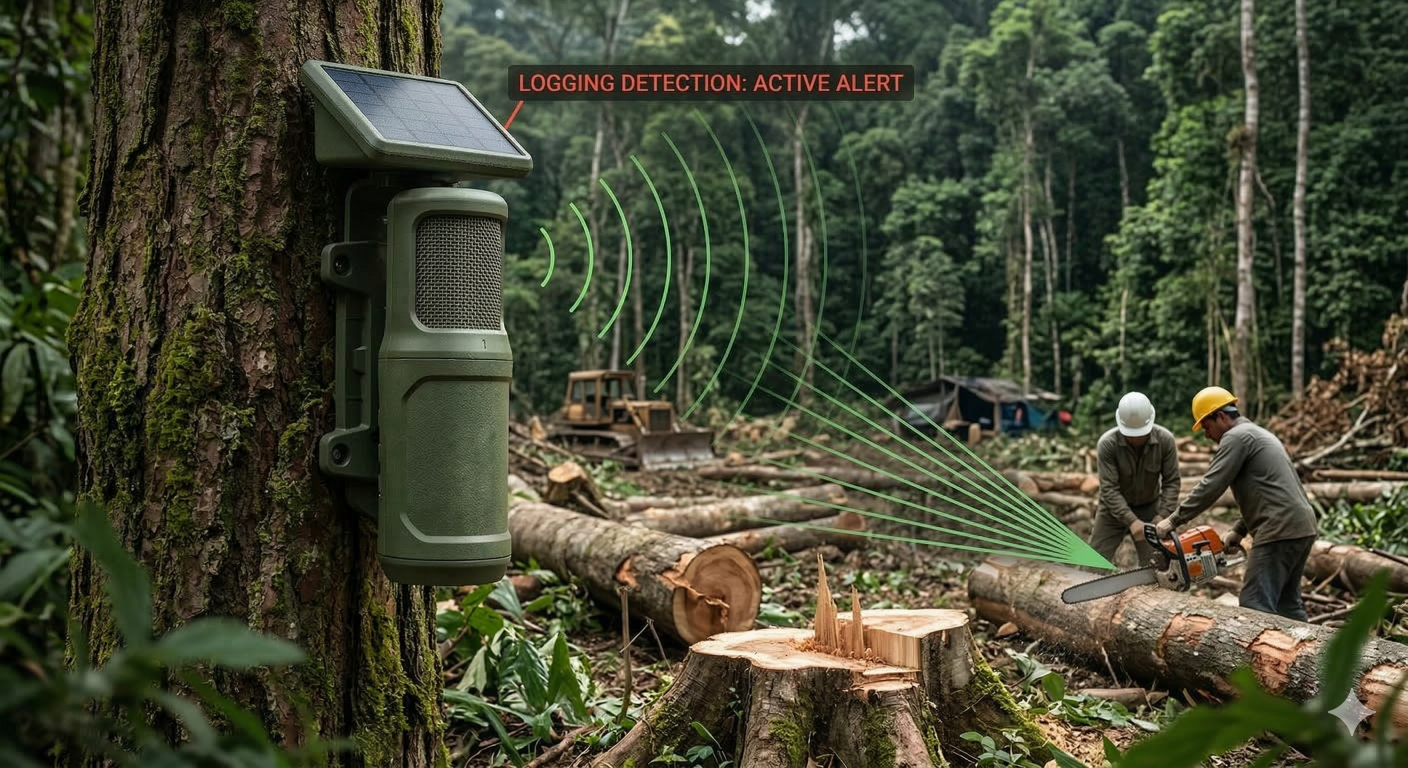
Unauthorized logging often happens in the shadows of vast, remote forests where physical patrols are difficult to maintain. Our acoustic edge sensors act as an invisible, 24/7 guardian, specifically tuned to recognize the high-frequency signatures of chainsaws and the heavy mechanical vibrations of logging trucks. By processing this audio data locally on the device, the sensors can distinguish between the natural sounds of the forest and the onset of unauthorized industrial activity in real-time. Once a threat is identified, an immediate alert is transmitted to local authorities, providing the precise coordinates needed to intervene before significant habitat loss occurs.
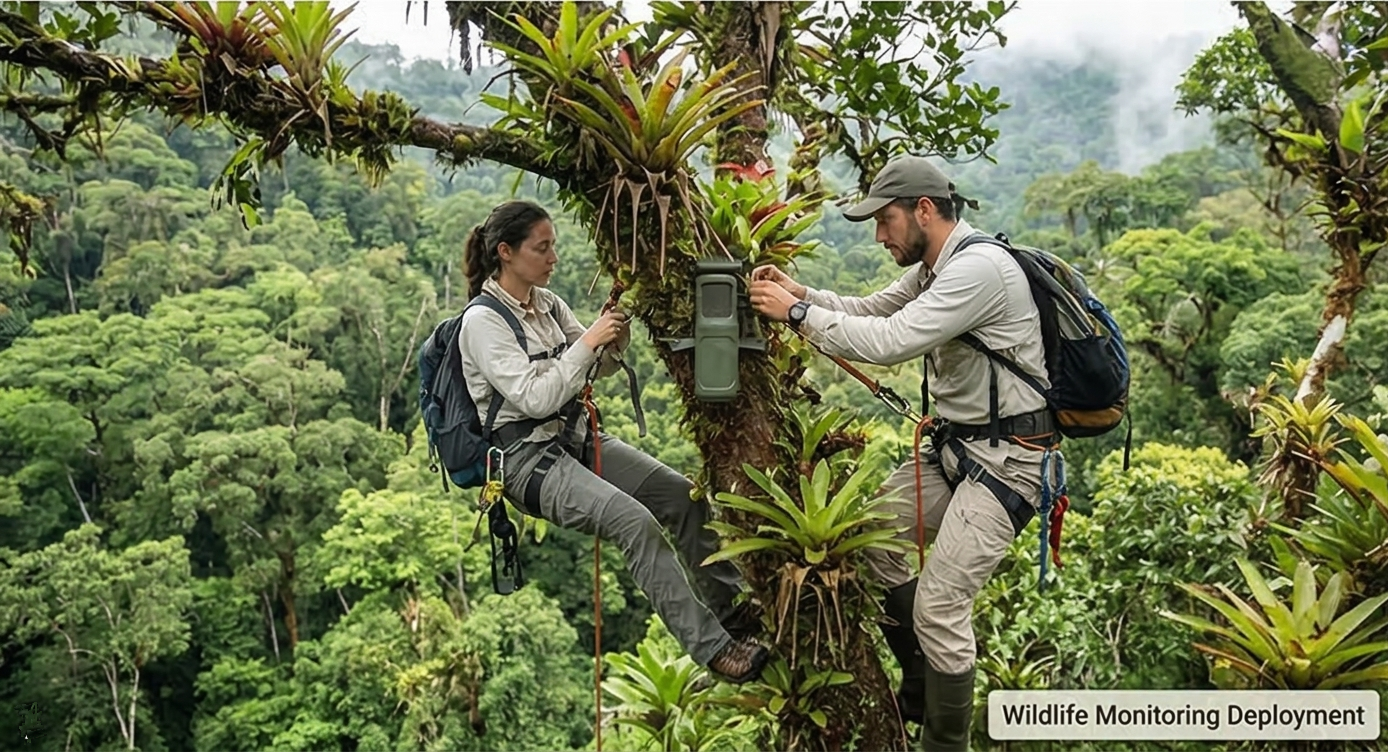
Understanding the health of an ecosystem requires more than just occasional sightings; it requires consistent, non-invasive monitoring. Our sensors empower conservationists to track wildlife populations by identifying the unique vocalizations of specific species, from the subtle calls of endangered birds to the distinct movements of large mammals. Because the AI analysis happens directly on the sensor, researchers can monitor biodiversity across thousands of acres without the need for manual data collection or high-bandwidth streaming. This continuous stream of "acoustic fingerprints" provides invaluable data on migration patterns, population density, and habitat usage, helping to inform smarter, data-driven conservation strategies.
